
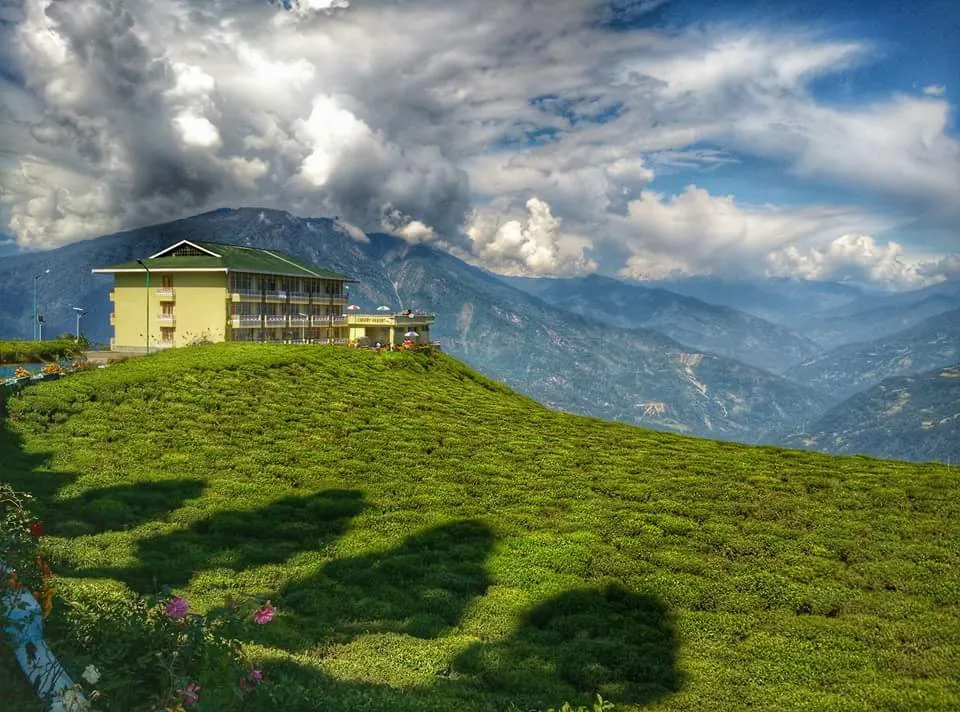
The short answer is October to April. The useful answer is more complicated, because Northeast India is not one climate. Cherrapunji gets around 11,000 mm of rain a year while Tawang sits under snow, and the same week that ruins a Meghalaya road trip is the week Nohkalikai Falls looks like nothing else on earth.
Working out the best time to visit Northeast India means matching your month to the specific thing you came for. A rhino safari, a clear river at Dawki, a high pass, a valley of lilies, and a festival are all on different calendars. Axomor tracks best months and seasonal notes for 250+ places across the region, and the table below pulls that together into one view.
The Quick Answer by Month
| Month | Verdict | Best for |
|---|---|---|
| October | Excellent | Everything reopening, Dzukou lilies fading, clear skies |
| November | Peak | Kaziranga opens, Dawki clears, Hornbill build-up |
| December | Peak | Hornbill Festival, snow in Tawang, cold clear light |
| January | Peak | Driest month, best wildlife visibility |
| February | Excellent | Fewer crowds, orange season in Sikkim |
| March | Very good | Rhododendrons start, warm days, shoulder pricing |
| April | Good | Bihu in Assam, Kaziranga closes mid month |
| May | Mixed | Pre-monsoon storms, high valleys open |
| June | Poor to good | Monsoon hits, Meghalaya falls at full force |
| July | Poor | Heaviest rain, landslides, Dzukou lilies bloom |
| August | Poor | Flooding in Assam, roads unreliable |
| September | Improving | Rain easing, Ziro Festival, green everywhere |
October to February: The Peak Season
This is when the region works. Roads are open, skies are clear, and the sights that depend on weather are all performing.
Kaziranga opens for the season around the start of November and runs to mid April. Safaris start at 6:00 AM and the park closes at 4:30 PM. Sightings are best in the cold months when the grass is shorter and animals gather at water.
The Umngot River at Dawki is the clearest from November to March. This is the single most weather dependent sight in the region. Outside that window the water carries silt and the famous transparency simply is not there.
In Sikkim, Tsomgo Lake is at its best in March to May and October to December, and it partially freezes in deep winter. Nathu La sits at over 14,000 feet and closes on short notice for snow. Our place data lists May, June, September and October as its reliable months, which is worth taking seriously if the pass is the reason you are going.
The trade off is crowds and price. Shillong and Gangtok fill completely over Christmas and New Year, and hotel rates in Kaziranga roughly double in December and January. Book six to eight weeks out for those dates.
March to April: The Underrated Window
March and April are the months experienced travellers to the region quietly prefer. Rhododendrons come out across Sikkim and western Arunachal, the light is warm, the nights are no longer painful, and prices drop from peak.
Kaziranga stays open until roughly mid April, so you can still combine a park visit with hill travel. Bihu, the Assamese new year festival, falls in mid April and is worth planning around if you want to see Assam at its most celebratory.
The catch is haze. By late March the plains can be smoky, and long Himalayan views from places like Tiger Hill or the Silk Route ridges get washed out. If your trip is built around mountain views, favour November to January instead.
May to September: The Monsoon Reality
Monsoon in Northeast India is not a rain shower. Assam floods most years, roads in the hills close for landslides, and travel plans stop being plans.
What that means practically:
- Kaziranga is shut from mid April to the end of October. There is no negotiating this.
- The Dawki boats often do not run, and the river is brown when they do.
- The Nongriat trek gets dangerous. Wet steps, leeches, and a river that rises fast.
- Flights and roads to Arunachal and Nagaland become unreliable.
There is one strong exception. Meghalaya in monsoon is genuinely spectacular, and it is the only time you see the state doing the thing it is famous for. Nohkalikai Falls lists June to October as its best months in our data, because outside the rains it thins to a trickle. Sohra in July is loud, soaked and unforgettable.
The other exception is Dzukou. The Dzukou Valley lily blooms from roughly June to September, and our data lists June to October as the valley’s best window. That is peak monsoon in the rest of the region, which is exactly why the valley is empty and green when most people are staying home.
So the monsoon rule is: go for one specific thing, in one specific place, and accept that everything else is off the table.
Best Time by State
Assam: November to March. Kaziranga season plus dry roads. Avoid June to September for flooding.
Meghalaya: October to April for travel, June to September if the waterfalls are the point. Our detailed best time to visit Meghalaya guide breaks this down by month.
Sikkim: March to May and October to December. North Sikkim and the high passes need the drier months. The best time to visit Sikkim guide covers the snowfall window in Gangtok.
Arunachal Pradesh: October to April. Tawang Monastery lists October through April as its best months. Sela Pass can close for snow between December and February, sometimes for days.
Nagaland: October to March, with December dominated by the Hornbill Festival. June to September for the Dzukou trek.
Manipur: October to April. Loktak Lake is at its best in the cool months when the phumdis are clear and the light is good.
Mizoram and Tripura: October to March. Both are hot and heavy with rain from May onward.
Planning Around Festivals
Three dates are worth building a trip around.
Hornbill Festival, Nagaland, 1 to 10 December. Ten days at Kisama near Kohima, and the single best introduction to Naga culture there is. Accommodation in Kohima sells out months ahead. Our Hornbill Festival guide has the practical detail.
Ziro Music Festival, Arunachal Pradesh, late September. Four days in a paddy valley. It falls at the tail of monsoon, so expect mud and pack for it. See the Ziro Valley guide.
Bihu, Assam, mid April. Rongali Bihu marks the Assamese new year and the whole state slows down for it.
Snow, Passes and Closures
If your route includes a high pass, build in a spare day.
Sela Pass on the Tawang road sits at about 13,700 feet and closes for snow in winter, occasionally for several days at a time. Nathu La is subject to the same, and is also closed to visitors on certain weekdays regardless of weather. North Sikkim beyond Lachen and Lachung shuts for snow and for landslides in equal measure.
None of this makes winter travel a bad idea. Tawang under snow is remarkable. It just means you should not plan a flight out of Guwahati for the day after you are due to cross Sela.
How to Get There
Guwahati is the entry point for almost every route, and its airport runs year round without much seasonal disruption. The regional airports at Dimapur, Imphal, Aizawl, Agartala and Lilabari see more weather cancellations in monsoon. If you are travelling between June and September, favour road connections out of Guwahati over small regional flights, and give yourself a buffer day before any international connection. Full detail in how to reach Northeast India.
Plan Your Trip with Axomor
Every place page on Axomor lists its own best months, opening hours and entry fees, so you can check a specific sight against your dates rather than relying on a regional average. Start with all Assam destinations, all Meghalaya destinations or all Sikkim destinations.
If you are still deciding how long to go for, the northeast india itinerary guide sets out 7, 10 and 14 day routes and tells you which ones survive which seasons.
Ready to plan this trip?
Use Axomor's free trip planner to build your custom Northeast India itinerary, with distances, permits, and the best time to visit each spot.