

A 6.81-kilometre bridge over the Brahmaputra is under construction between Jorhat and Majuli. When it opens, estimated 2027-28 at the earliest, Majuli island tourism will change permanently. You will drive there in 15 minutes instead of taking a 90-minute ferry. What that does to the island (to the pace, the isolation, the economics of the Sattras) is an open question.
For now, Majuli is still a river island. You reach it by ferry from Nimati Ghat, the crossing still takes an hour, and there are still places on the island where mobile signal disappears entirely. If you have been planning to go, this is the version to see.
What Makes Majuli Worth a Detour
Majuli is Asia’s largest inhabited river island, sitting in the middle of the Brahmaputra in Assam. Its current area is approximately 880 km², and that figure matters, because the island is shrinking. In the 1790s it measured around 1,300 km². Erosion has claimed nearly 400 km² since then. More than 67 villages have been washed away entirely. Of the 65 Vaishnavite Sattra monasteries established here by the saint-reformer Srimanta Sankardev in the 15th-16th century, only 23 remain active today.
That is both the tragedy and the draw. Majuli is a civilisation that has been afloat for 500 years, adapting and eroding and persisting. The Sattras are not heritage sites. They are functioning religious communities. The mask-makers at Samaguri have been producing ceremonial masks since 1663. The Mishing tribal community, the island’s largest ethnic group, still weave their red-and-black textiles by hand and celebrate Ali-Ai-Ligang, their festival of sowing, every February.
The Sattras: What to Visit and What to Expect
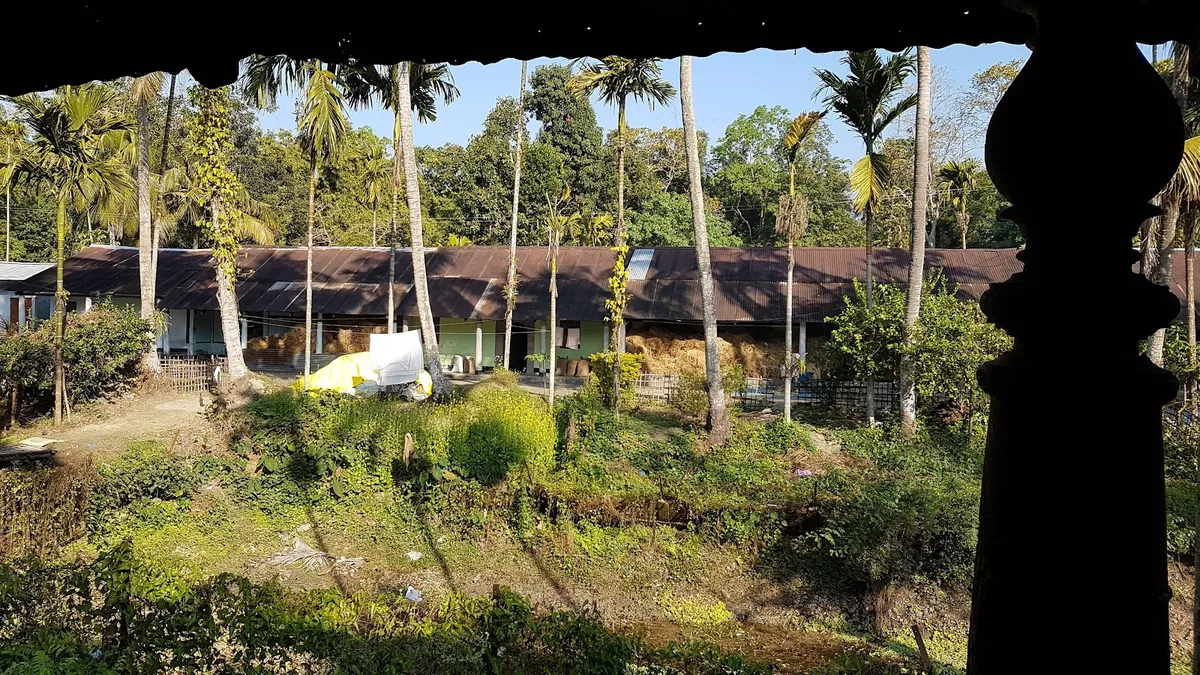
A Sattra is a Vaishnavite monastery and cultural institution simultaneously. There is no idol worship; Sankardev’s reform rejected it. What you find instead is a prayer hall, a performance space, a library, a school, and a community. Monks in saffron or white robes. Morning Naam-prasanga (collective prayer with Borgeet devotional songs and khol drums) from around 5-6 AM. Evening sessions in the same space.
Rules before you enter any Sattra: Remove footwear at the compound gate, not just at the inner sanctum, but the full compound. Dress modestly (covered shoulders, covered knees). Photography of prayer sessions requires permission. Acknowledge monks with a quiet “Jai Jai.”
The main Sattras worth visiting:
Kamalabari Sattra is the most accessible, closest to the ferry ghat, and the most welcoming to visitors. It houses over 100 monks and is the best non-festival venue to witness morning Borgeet and Satriya dance practice. Natun Kamalabari Sattra, directly adjacent, actively trains Satriya dance students and is worth visiting alongside Kamalabari.
Auniati Sattra (est. 1653) holds the island’s most significant collection: over 300 ancient manuscripts, some written on sanchi bark, along with royal artefacts and jewellery donated by Ahom kings. The museum is open approximately 6 AM to 6 PM. It is a genuine cultural draw even for travellers with little interest in religious life.
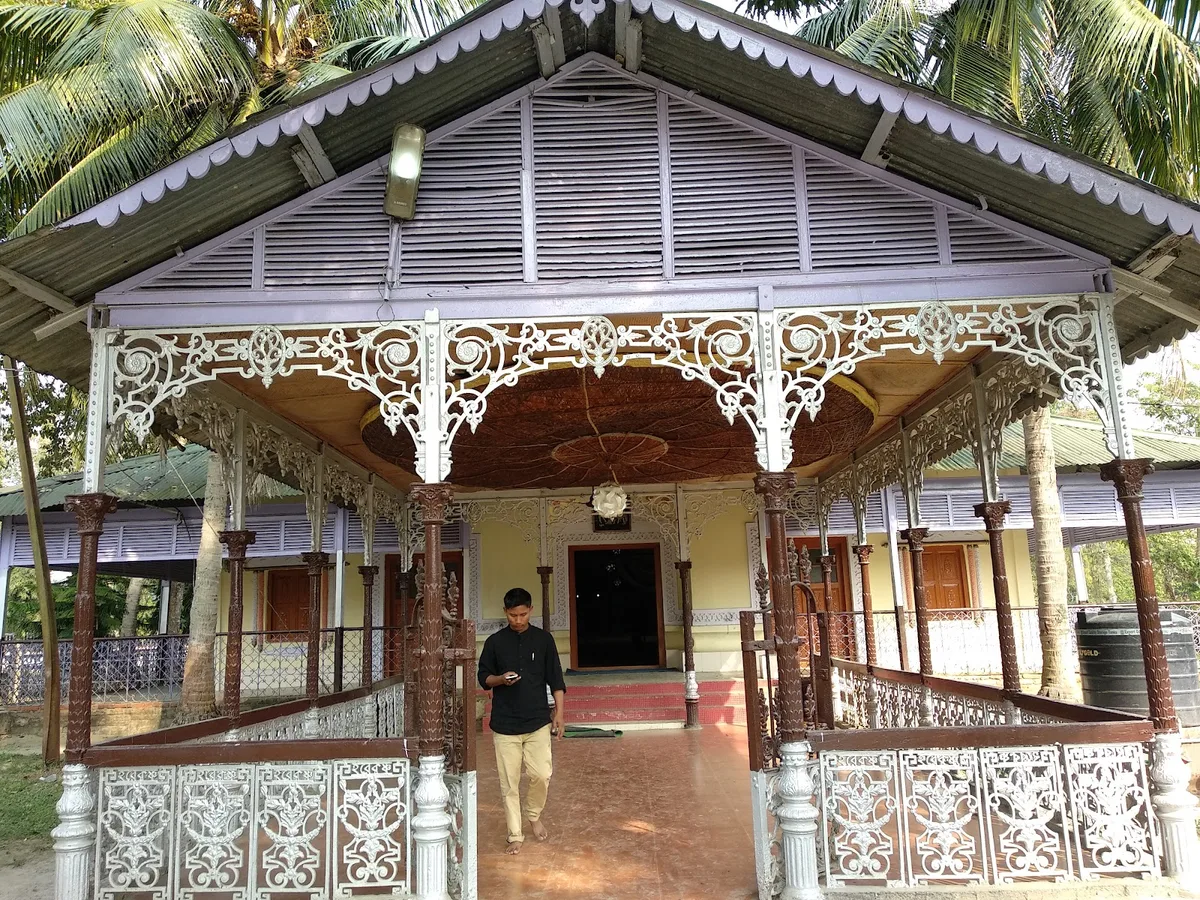
Dakhinpat Sattra and Garamur Sattra are where the most elaborate Raas Mahotsav productions happen in November. Garamur’s Raas performances fill early, so plan accommodation in advance if this is your reason for visiting.
Note on Sattra types: some Sattras are Udasin (fully celibate, strictly monastic) and others are Grisathi (householder, where monks can marry and live as laypeople). Kamalabari is Udasin. Samaguri, the mask-making Sattra, is Grisathi, which is why it feels more like a community than a monastery. Most travel guides skip this distinction but it explains why Sattras feel completely different from each other.
Mask-Making at Samaguri Sattra
Samaguri Sattra (also called Chamaguri), about 8-10 km from Kamalabari, has been the centre of Majuli’s mask-making tradition since its founding in 1663. The masks (called mukha) are made for Bhaona theatrical performances and Raas Mahotsav from cane, bamboo, cloth, clay, and cow dung. No synthetic materials. The current Satradhikar, Dr. Hemchandra Goswami, is a Padma Shri awardee whose masks are in the British Museum’s permanent collection.
In March 2024, Majuli masks received a Geographical Indication (GI) tag, a recent development that adds formal recognition to what has been quietly acknowledged for decades.
Visitors can watch the mask-making process throughout the year. The artisans work year-round producing for Raas Mahotsav, so a February visit is as good for watching the craft as October. You cannot typically participate in the making itself, but the workspace is open and the artisans are used to curious visitors.
The Mishing Community
Most Majuli guides focus entirely on the Vaishnavite Sattras and miss the island’s dominant ethnic community. The Mishing (or Mising) people live in stilt houses, weave distinctive red-and-black textiles on hand looms, and their Ali-Ai-Ligang festival, a spring sowing celebration in February, is one of the most colourful events on the island. Apong, their traditional rice beer, is part of every significant occasion.
La Maison de Ananda, the island’s most-cited eco-stay, was founded specifically to centre the Mishing cultural experience through its bamboo stilt-house architecture and food. A visit to Majuli that skips Mishing village life is an incomplete one.
Getting to Majuli: The Ferry from Jorhat
Majuli has no airport and no road bridge yet. You get there by ferry from Nimati Ghat, 14 km from Jorhat town.
From Guwahati to Jorhat: approximately 305 km. Options include overnight bus (7-8 hours, arrives in time for the first ferry), train (6-8 hours), or a short flight on IndiGo or Air India into Jorhat’s Rowriah Airport (JRH), followed by a taxi to the ghat.
Ferry timings (Nimati Ghat to Kamalabari Ghat): Multiple departures from approximately 7:30 AM to 3:30 PM. The crossing takes about 1 hour going to Majuli; the return trip fights the Brahmaputra current and can take 1.5-2 hours. The last return ferry leaves Majuli around 3 PM; confirm this locally as timings change seasonally.
Ferry fares: Approximately Rs 15-25 per passenger (government rate). Motorcycle transport: Rs 100-200. Car: approximately Rs 800. Booking in advance is possible through the AMTRON portal (asiwt.in) for roughly 30% of capacity, useful during Raas festival week.
Practical note: During monsoon (June-September), ferry services are regularly suspended due to flooding and river conditions. Majuli floods every year, with parts of the island submerging. Do not visit June-September. In December-January, morning fog can delay ferries by 3+ hours, so build buffer time into the day.
Best Time to Visit Majuli
October to March is the travel window. November is the single best month.
| Period | Conditions |
|---|---|
| Oct-Nov | Post-monsoon freshness; Raas Mahotsav (November full moon) |
| Dec-Feb | Coolest months; migratory birds including Greater Adjutant Storks; quiet |
| Feb-Mar | Ali-Ai-Ligang festival (Mishing); warming but comfortable |
| Jun-Sep | Avoid. Flooding, suspended ferries, parts of island submerged |
Raas Mahotsav falls on the full moon of Kartika (Assamese calendar), typically landing in mid-to-late November. The 2025 festival ran November 15-17. The 2026 dates follow the same lunar calendar; expect a similar window but verify closer to the time. The festival runs simultaneously at all major Sattras: theatrical productions of Raas Leela (devotional dance-drama of Radha-Krishna), ornate decorations, and all-night performances. This is Majuli at its most vivid.
For birdwatchers: December-January is peak season for migratory species. The Greater Adjutant Stork, globally endangered with fewer than 800 estimated in the wild, is regularly seen around Majuli’s wetlands. Samaguri Beel (lake) is a reliable spot.
Where to Stay
Stay on the island. Day-tripping from Jorhat is possible but wastes the best parts: the ferry at dawn, Sattra morning prayers at 5 AM, cycling between Sattras in the afternoon, watching sunset over the Brahmaputra.
La Maison de Ananda: The benchmark property, with bamboo stilt cottages replicating Mishing architecture, Assamese and Mishing food, and apong on request. Book well in advance for November.
Dekasang Riverside Homestay: A well-reviewed riverside option, good for a Mishing cultural experience.
Budget options: Several basic guesthouses near Kamalabari Ghat with bamboo rooms from Rs 300-400 per night.
Price range across the island: Rs 500-3,000 per night. No luxury options exist.
Practical Notes
Cash: There is an SBI ATM in Garamur. ATMs run out of cash on festival weekends. Withdraw in Jorhat before boarding the ferry. UPI works in market areas, not reliably elsewhere.
Mobile signal: Jio and Airtel work near market areas; drop in wetland and village zones. Download offline maps before arriving; Google Maps and Maps.me both work offline.
No permit required. Majuli is in Assam. No ILP or other travel permit is needed for Indian citizens or foreign nationals.
Plan Your Majuli Trip with Axomor
Majuli fits naturally into a wider Assam itinerary. Pair it with Guwahati or the Kaziranga circuit, using Jorhat as the overnight base on either side of the island stay. For the full Assam picture, read our Best Places to Visit in Assam guide. Explore all Assam destinations on Axomor.
The bridge will open eventually. When it does, Majuli becomes a day trip from Jorhat and something essential will shift. For now, the ferry crossing is still part of the journey.
The crafts of Majuli

Written by
Kundan GuptaWrites from Assam. Checks fares and fees in person before publishing.
Kundan Gupta runs Axomor and edits its Northeast India coverage. He is responsible for the accuracy of the guides published here, including checking permit rules, fees and travel logistics against primary sources before they go live.
Ready to plan this trip?
Use Axomor's free trip planner to build your custom Northeast India itinerary, with distances, permits, and the best time to visit each spot.